
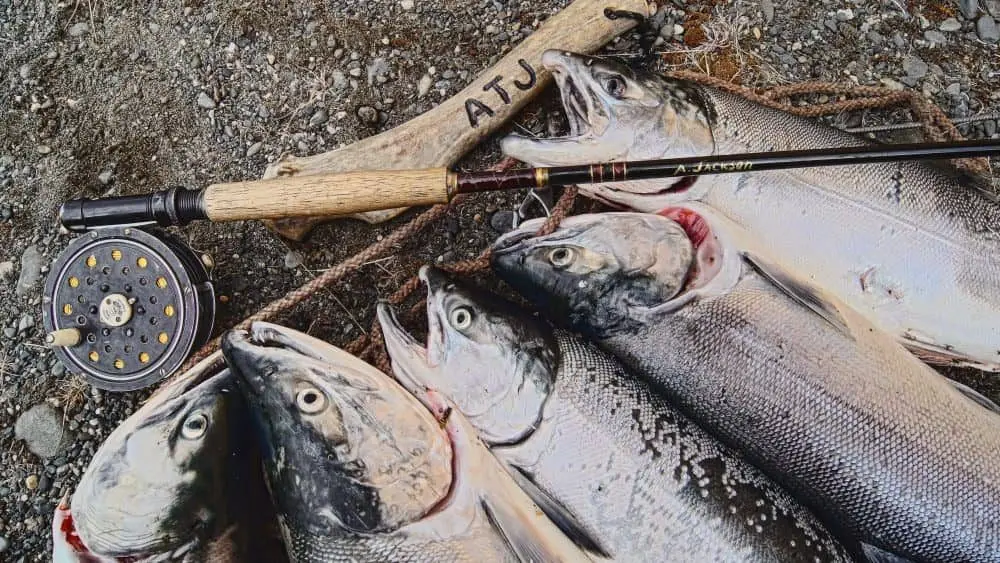
After a three-year hiatus, the long-awaited commercial salmon fishing season starts May 1 off the Northern California coast — but with a catch.
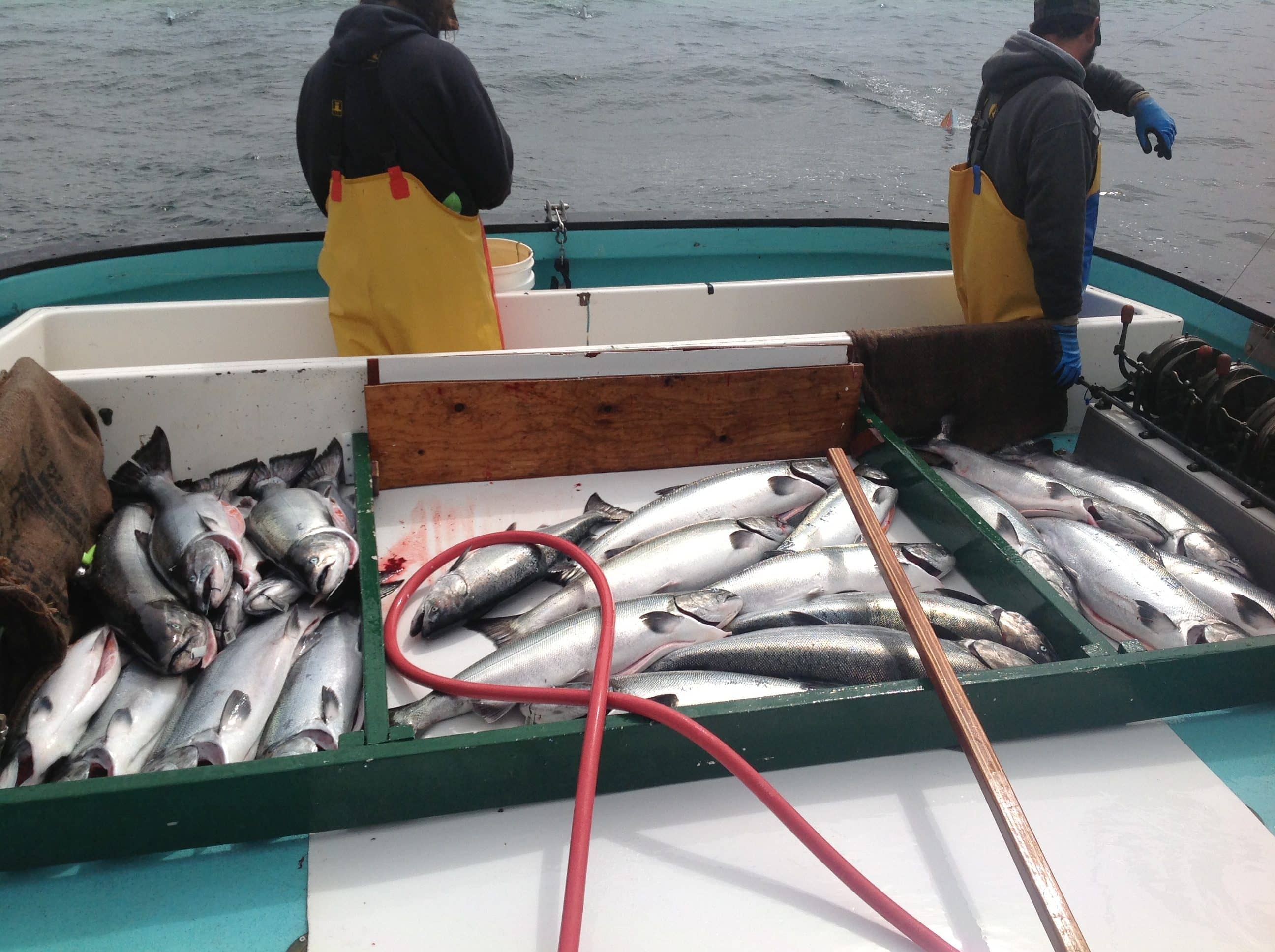
The California Department of Fish and Wildlife announced a few weeks ago that fishery stakeholders in a working group have agreed to limit Chinook (king) salmon stocks available for the annual harvest to 83,000 fish this summer. Another 20,000 may be caught this fall starting Sept. 4 in the San Francisco and Monterey zones, extending north to Point Arena.
The announcement comes on the heels of yet another delay in crabbing, which is off the table for now as humpback whales linger offshore, where they risk becoming entangled in fishing gear.
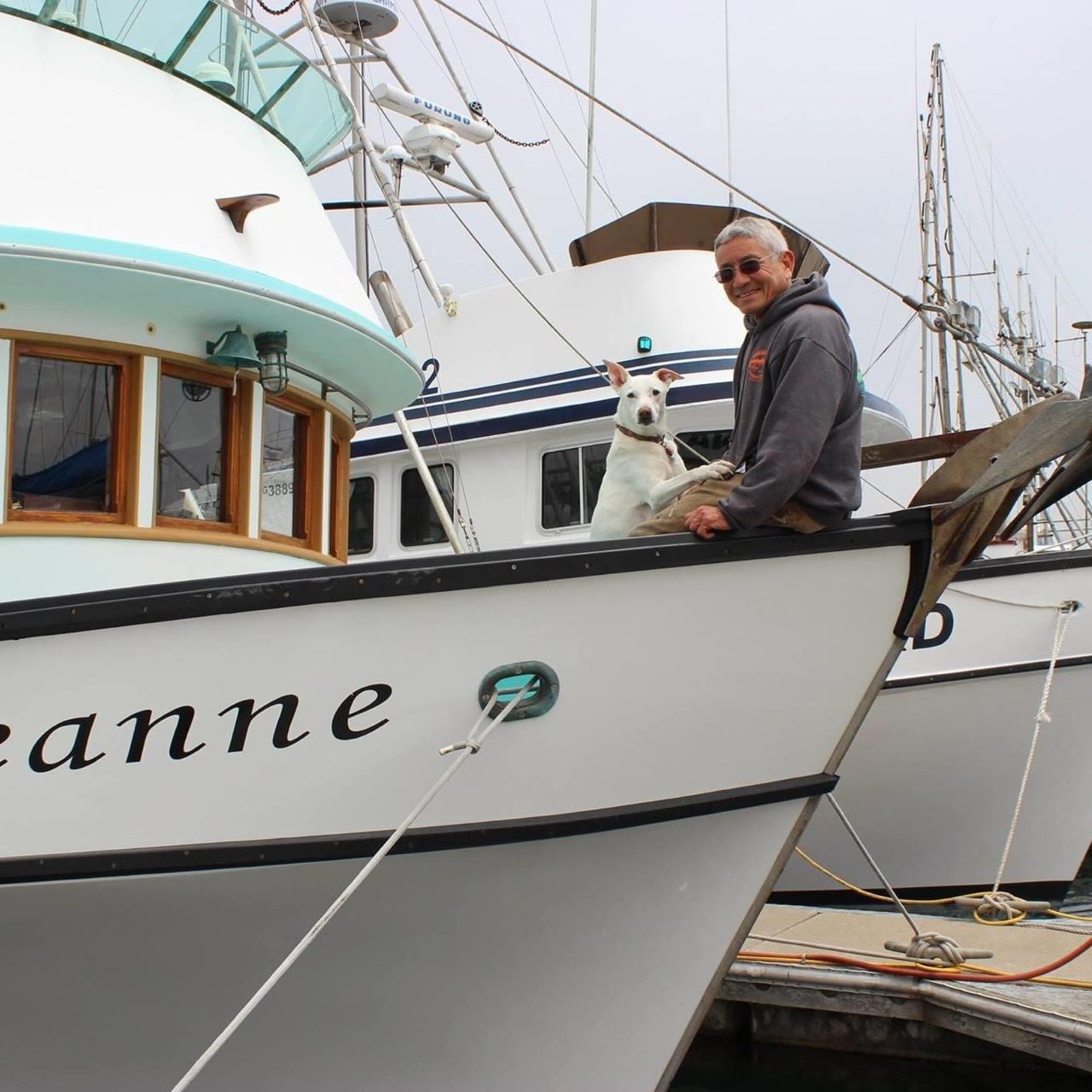
“It’s not quite what we would have liked, but it’s a good supplement,” longtime Bodega Bay fisher Dick Ogg told NorthBay biz regarding the salmon fishing restriction.
The California Salmon Council chairman and Bodega Bay Fishing Management Association president calculated that each vessel operating North Coast waters may haul in 160 fish.
Recreational salmon fishers located between San Francisco and Fort Bragg may reel in 34,900 fish during a two-part season spanning June 27 to July 22 and continuing through August.
Like farming, the commercial fishing industry faces constant challenges. After years of shutdowns tied to declining fish stocks, market prices now play a critical role in determining whether anglers can stay afloat in today’s economy.
“They’ve got to pencil it out — with the price of fuel and the price of food,” said Ogg, who put his boat in the water just weeks ago. “There’s no reason we should be in this predicament. We need to protect the industry as best we can.”
Bodega Bay Chamber of Commerce President Shona Campbell agreed, recognizing the Sonoma County coastal town lives and dies by the strength of its fishing industry.
“I look forward to this season. My heart goes out to the fishing community. We have to find a way to preserve it,” said Campbell, who also runs two restaurants serving seafood — Rocker Oysterfellers in Bodega Bay and Rocker’s Roadhouse in Valley Ford.
Campbell hopes diners consider ordering local salmon as a treat, coming off years in which North Bay fishers have pivoted to other species such as cod and other rockfish.
While noting the fish allocations are fewer than in years prior to 2022, every little bit counts. Fishing stocks have long been hindered by dams, ocean trends and low water flows due to drought as well as diversions to send the precious commodity to farming and city interests. The stocks have begun to rebound, with nearly 400,000 salmon now running the Sacramento River.
The drought season that spanned from 2020 to 2022 prompted a major competition for water, resulting in plummeting populations. But shortly thereafter, the winter of 2022–23 hit California with a vengeance, creating a surge in fish returning to spawn.
California Fish and Wildlife Senior Environmental Scientist Chester Lindley said the numbers and policies are rooted in a scientific formula designed to measure success for the prized fish as it navigates harsh river and ocean conditions.
Salmon are born in freshwater rivers and swim to sea for a few years. They return to inland waters to spawn.
Still, Lindley acknowledges salmon fishing represents a crucial livelihood for a historic industry, along with California Native American tribes. The largest state, the Yurok Tribe based in Humboldt County — bases its culture on survival of the salmon that dominate Klamath River waters.
As for salmon seasons continuing each year, Lindley insisted that’s “the goal,” if the stocks are managed well.
“I’m just glad there’s opportunity for everyone. The hope is it continues,” he said.
Northern California retailers are also excited about the season relaunch as fishing stakeholders, restaurateurs and business groups. Mike Weinberg-Lynn, who owns Osprey Seafood of Napa with a satellite location in San Francisco, looks forward to offering fresh local salmon again.
“This will be huge. It’s a huge item in the market,” he said.
As much as Weinberg-Lynn relishes the thought of selling the seafood commodity, he understands the nuances involved in balancing environmental needs with business desires.
“Let’s not push it and try to save the fishery. This is a conversation we have constantly,” he said.
Salmon population declines have resulted in an all-hands-on-deck strategy involving a multitude of stakeholders to ensure the recovery of the fish for generations to come.
“Seeing our salmon populations recover is incredibly heartening and demonstrates what’s possible when we all work together — state and federal partners, tribes, sport anglers and commercial fishing interests, NGOs and others — to do what’s best for salmon,” Fish and Wildlife Director Meghan Hertel stated, characterizing salmon as “part of the cultural fabric of California.”
One win, one loss
California Fish and Wildlife also announced the temporary closure of the commercial Dungeness crab fishery on April 30 due to the risk of crabbing gear entangling whales.
The season technically started Nov. 1, 2025 and runs through June 30, 2026.
Effective May 7, authorized alternative equipment labeled “pop up gear” that stays on the sea floor may be used in the region.
Researchers tasked with studying the presence of humpback whales observed 66 of them in fishing zone No. 3. This area covers the ocean waters from the Sonoma/Mendocino County line south to Pigeon Point near San Mateo County.
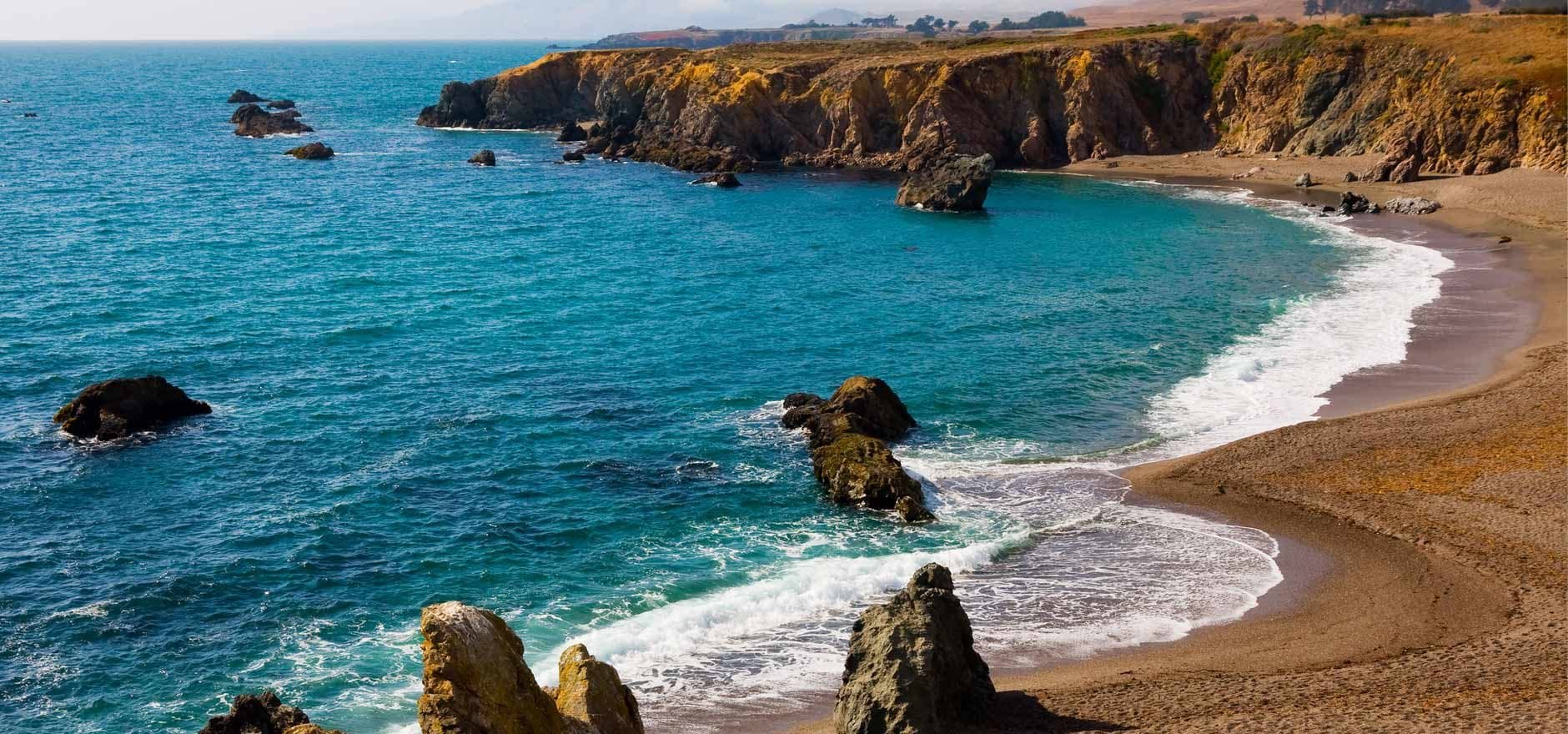
Warmer ocean temperatures by 3 to 4 degrees Fahrenheit are driving the whales closer to the shoreline in what experts are calling ‘habitat compression.’ The shift in whale behavior puts them in a collision course with fishing gear that has lines to the surface, National Oceanic Atmospheric Administration scientists say.
The whales feast on nutrients found in anchovies that become more plentiful with warmer-than-usual ocean temps.
“This tends to draw the whales in, but this is where the fishermen put traps,” NOAA Fisheries spokesman Michael Milstein said.
The coming of El Niño, a tropical weather phenomenon that forms warmer ocean temperatures off the South America coast, may complicate matters too.
“We’re kinda concerned if El Niño comes on top of (the already raised temperatures),” he said.